Anion Gap Calculator Using an Electrolyte Panel
What Is an Anion Gap?
The anion gap is a calculated measurement used to assess an electrolyte panel and recognize issues in acid-base balance. It evaluates the key measured serum electrolytes to estimate whether there are extra unmeasured acids or other charged particles in the blood. In clinical practice, an anion gap calculator provides a rapid snapshot of whether the chemistry pattern points to a subtle metabolic issue.
Because the bloodstream must remain electrically balanced, the measured cations and anions do not perfectly correspond. The gap is the anion gap. This makes it a useful diagnostic clue in evaluating an acid-base disorder, especially when metabolic acidosis is thought likely. Clinicians often use the result as a screening tool before deciding whether more testing is needed.
The concept is most relevant when paired with the rest of the serum chemistry picture. Sodium, chloride, and bicarbonate are the primary measured values, but the result can also indicate the presence of unmeasured anions such as organic acids or albumin-related charges. That is why the anion gap is not just a number; it is part of a larger clinical interpretation process.
In What Way the Anion Gap Calculator Works
An anion gap calculator applies a straightforward formula based on sodium, chloride, and bicarbonate. The standard anion gap formula is:
Anion gap = Sodium - (Chloride + Bicarbonate)
This calculation estimates the space between the primary measured cations and negatively charged ions in the blood. Sodium is the most abundant measured cation in routine lab testing, while chloride and bicarbonate are the key measured anions. The connection among these values may indicate whether the body has built up acids that are not directly measured on a routine panel.
The calculator does not confirm a disease by itself. Instead, it provides interpretation that assists in narrowing the differential diagnosis. For example, a higher-than-expected result suggests added acid burden, while a low result may point toward low protein charge, measurement issues, or unusual electrolyte patterns. The value of the tool is its clinical utility: it rapidly connects the numbers to likely physiology.
Some versions of the calculation include potassium, but many routine clinical approaches use sodium, chloride, and bicarbonate alone. For most users reviewing an electrolyte panel, the basic equation is the most well-known and easiest to apply.
Calculating Anion Gap From a Basic Metabolic Panel
A BMP usually contains the data needed for the calculation: serum sodium, serum chloride, and serum bicarbonate. Once those numbers are available, the process is straightforward and can be done directly or with an online tool.
To determine the anion gap from a basic metabolic panel, follow these steps:
- Identify the serum sodium value.
- Identify the serum chloride value.
- Identify the serum bicarbonate value.
- Combine chloride and bicarbonate together.
- Deduct that sum from sodium.
The result is the anion gap. Because the panel is standardized serum chemistry, this is a rapid way to obtain a calculation that helps guide evaluation of a possible metabolic disturbance.
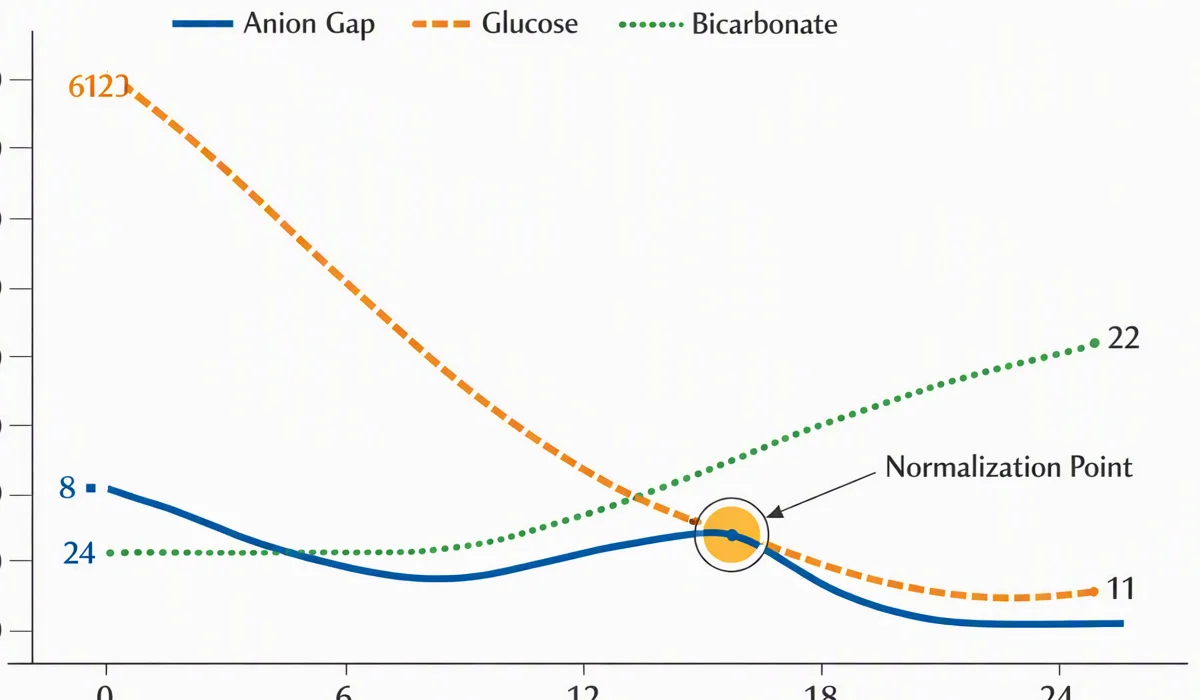
For instance, if sodium is 140, chloride is 104, and bicarbonate is 24, then 104 + 24 = 128, and 140 - 128 = 12. That value may be within the expected reference range depending on the laboratory method used. The important point is not just the number itself, but how it fits with the rest of the lab values and the patient’s condition.
Standard Anion Gap Range & Reference Ranges
The reference range for anion gap varies by the laboratory and its chosen testing method. Different analyzers and reporting systems can produce somewhat different reference interval values. That means the same result may be considered normal in one lab and equivocal in another.
One major factor is albumin, a negatively charged plasma protein that affects the apparent gap. Because albumin carries much of the unmeasured negative charge in blood, lower albumin can decrease the measured anion gap. This is one reason the result should always be read in clinical context rather than treated as a standalone diagnosis.
Laboratory variation matters as well. The technique used for electrolyte measurement can affect the reported value, so the individual reference interval should be used whenever possible. In practice, clinicians focus on whether the number is clearly elevated, decreased, or unexpectedly normal given the acid-base picture.
In some settings, a slightly higher or lower result may still be acceptable if the overall clinical picture does not suggest a significant disorder. That is why the anion gap is best viewed as part of broader clinical interpretation rather than as an isolated cutoff.
Elevated Anion Gap vs Typical Anion Gap Acidosis
Acidosis related to metabolism stands as a major one of the primary reasons to measure an anion gap. A high anion gap usually indicates that extra acids are found in the blood, raising the number of unmeasured anions. A standard anion gap acidosis, by contrast, suggests that bicarbonate has been lost and replaced by chloride, so the overall gap stays about the same level.
In a high anion gap state, acid is added to the body faster than it can be removed or buffered. In a standard anion gap pattern, the main problem is often a move in chloride and bicarbonate rather than an accumulation of new acids. That distinction supports direct the differential diagnosis and set the next steps in evaluation.
Understanding the relationship between the gap and acid-base balance also helps explain why the result matters. The body uses protective buffer systems to maintain stable pH. When those systems are taxed, the chemistry panel may show a widened gap or a normal gap pattern that still reflects important disease.
A decreased anion gap is rarer but can occur when albumin is reduced, when unmeasured cations are present, or when there is measurement artifact. It should not be ignored if it is unexpected, because it may be a clue to a separate issue affecting the serum chemistry pattern.
Typical Causes of an Elevated Anion Gap
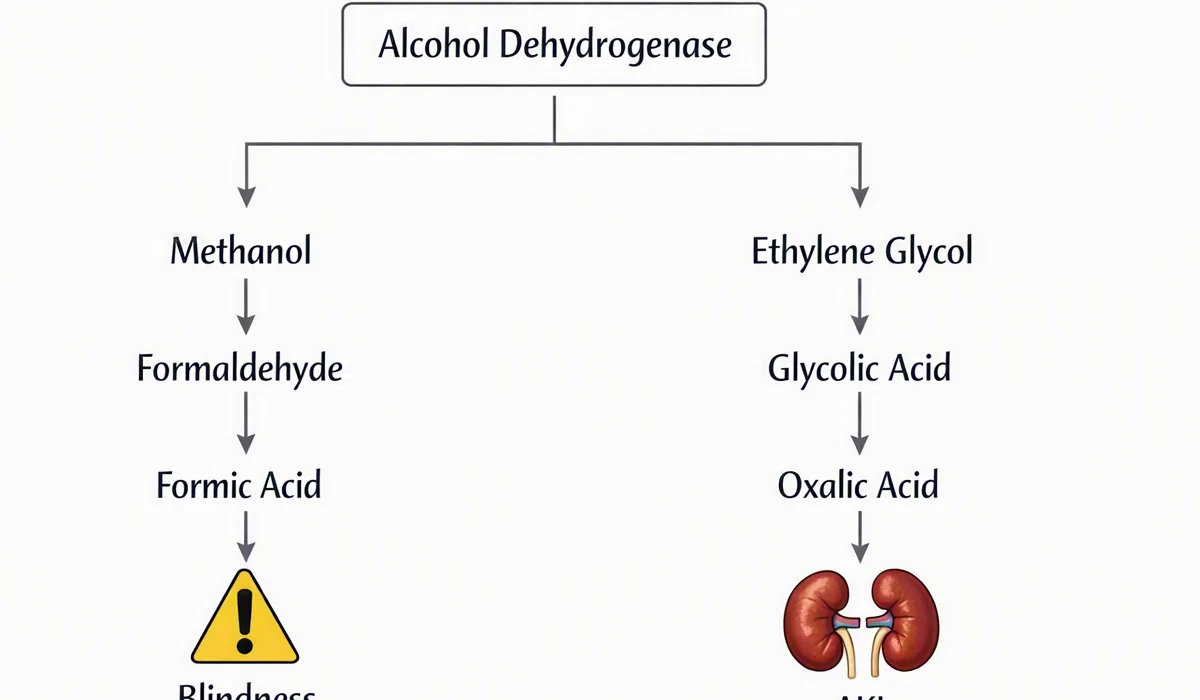
An elevated value often points to the accumulation of acid compounds or other charged substances that are not directly assessed in the panel. The most common causes include lactic acidosis, ketoacidosis, renal failure, and toxin ingestion.
Lactic acidosis occurs when lactate builds up, often because tissues are not receiving enough oxygen or because metabolism is otherwise stressed. This produces extra acid and raises the anion gap. Ketoacidosis, including diabetic ketoacidosis and other ketosis states, can also increase organic acids in the blood and widen the gap.
Renal failure can result in acid retention because the kidneys are no longer clearing acids effectively. As acid accumulates, the anion gap rises. Toxin ingestion is another important category because certain ingested substances create acids or interfere with metabolism, leading to a significant gap elevation.
Other causes can also occur, but these major categories are central to interpretation. An elevated result is not a final diagnosis; it is a signal to review symptoms, history, and additional labs. That is why the anion gap is best used as a diagnostic clue rather than a standalone answer.
Why Decreased Albumin Alters the Anion Gap
Albumin strongly changes the anion gap because it contributes negative charge to the plasma. As albumin is low, the measured gap can look lower than expected even though the underlying acid-base status is abnormal. This explains why hypoalbuminemia can mask a clinically important problem.
A anion gap correction adjusts for low albumin to more reliably reflect the true acid-base https://anion-gap-tool752.lowescouponn.com/what-is-the-link-between-anion-gap-and-bicarbonate state. The need for correction arises from albumin’s role in protein electrical charge and the distribution of charged particles in plasma. If this is not adjusted, a patient with significant metabolic disturbance may seem to have a less impressive result than they actually do.
The exact correction method can change, but the overall idea is the same: lower albumin means the uncorrected number may underestimate the true gap. A corrected value can therefore enhance medical interpretation, especially when symptoms or other lab findings suggest acidosis.
Because albumin is so influential, any abnormal result should be reviewed alongside the protein level if available. This is particularly relevant when the anion gap appears normal despite signs of acidic metabolic disturbance.
Stepwise Illustration Applying an Electrolyte Panel
Below is an illustrative calculation based on common electrolyte readings taken from an electrolyte panel:
- Serum sodium: 138
- Chloride: 100
- Bicarbonate: 16
First: Sum the chloride and bicarbonate. 100 + 16 = 116.
Next: Deduct this total from sodium. 138 - 116 = 22.
The result is an anion gap of 22.
This result is elevated in many reference systems and suggests a likely high anion gap pattern. The next question is not simply whether the number is high, but what the clinical context shows. If the patient has diabetes, poor intake, or vomiting, ketoacidosis may be a concern. If there is shock, infection, or low oxygen delivery, lactic acidosis becomes more likely. If kidney function is poor, renal failure may explain the finding.
Now, examine the same patient with an albumin of 2.5. In that setting, the uncorrected value might miss the degree of abnormality. A corrected anion gap can offer a more accurate reading and better capture the true metabolic disturbance. That is why the calculator is most useful when paired with the full lab picture rather than relied on in isolation.
Drawbacks of the Anion Gap Calculator
As with any screening tool, an anion gap calculator has limits. A major concern is measurement error. Minor variations in how sodium, chloride, and bicarbonate are measured can change the final number, especially when the result is near the boundary of the reference range.
Laboratory methods also play a role. Different analysis technologies and electrolyte testing methods can give varying results, which is why the lab’s own reference interval should always be used. A number that appears unusual in one environment may be acceptable in another.
A further constraint is the function of unmeasured cations. Compounds like lithium or other positively charged ions can alter the calculation and reduce the apparent gap. In addition, abnormal protein levels, changes in plasma proteins, and unusual clinical situations can create patterns that do not fit a simple formula.
In the end, the calculator cannot replace clinical interpretation. Symptoms, vital signs, blood gas results, kidney function, and glucose or lactate levels may be needed to understand what the result really means. This measure is helpful, but it is only one piece of the assessment.
When to Seek Urgent Medical Evaluation
Certain anion gap abnormalities suggest a potentially dangerous illness that requires prompt attention. If there are signs of severe acidosis, the situation may become urgent quickly. Warning signs can include rapid breathing, confusion, marked weakness, severe nausea, vomiting, abdominal pain, or decreased responsiveness.
Very abnormal results or other critical values on the chemistry panel may signal a serious metabolic problem. When the gap is high and the patient is ill, immediate evaluation may be necessary to determine whether there is lactic acidosis, ketoacidosis, toxin exposure, or kidney failure.
Because the anion gap is a diagnostic clue, not a diagnosis, symptoms and the overall picture should guide the response. If there is concern for severe illness, emergency care is appropriate. Delay can be dangerous when the body is struggling to maintain acid-base balance.

Frequently Asked Questions
What is the anion gap on an electrolyte panel?
The anion gap is a calculated value from an electrolyte panel that helps assess acid-base balance. It estimates the difference between measured cations and measured anions, mainly using sodium, chloride, and bicarbonate. It is often used as a screening tool for metabolic problems.
How do you calculate anion gap using sodium, chloride, and bicarbonate?
Apply the formula for anion gap: sodium less the total of chloride and bicarbonate. In other words, Anion gap = serum sodium - (serum chloride + serum bicarbonate). This is the common computation used in an anion gap calculator.
What does a high anion gap mean?
A increased anion gap usually means that unmeasured acids are present, which is a frequent pattern in metabolic acidosis. Typical causes include lactic acidosis, ketone-related acidosis, renal insufficiency, and toxic ingestion. It is a clue that further workup is needed.
How does low albumin affect the anion gap?
The albumin level carries negative charge, so reduced albumin can lower the measured anion gap. In that case, a corrected anion gap may better reflect the real acid-base status. Low albumin can hide an important elevation if the result is not corrected.
Can a normal anion gap still be abnormal in acid-base disorders?
Absolutely. A normal anion gap does not rule out an acid-base disorder. Some forms of metabolic acidosis keep the gap normal because bicarbonate loss is balanced by chloride gain. That is why the result must be interpreted with the rest of the lab values and the full clinical picture.