Does kidney problems Cause a Increased Anion Gap?
What’s the anion gap?
The anion gap is a laboratory calculation that helps doctors understand the balance between positively and negatively charged particles in the blood. It is one piece of acid-base balance and can help point to hidden causes of metabolic acidosis. The calculation uses common electrolytes, especially sodium and chloride, and often also considers bicarbonate in the overall interpretation.
Because the anion gap is not a direct measurement of a single substance, it is best thought of as a indicator from blood chemistry rather than a diagnosis by itself. A shifted result can suggest acid accumulation, changes in waste products, or an electrolyte imbalance. In other words, it is a helpful lab result for interpretation, but it must be read in clinical context.
The normal range differs by laboratory method, so the same number may be interpreted differently depending on the testing platform and the patient’s overall condition. That is why physicians look at the full metabolic panel rather than one number alone.
How an Anion Gap Calculator works
An Anion Gap Calculator is a simple tool that determines the anion gap from a typical blood test. Most calculators use the values from a basic metabolic panel, especially Na, chloride, and serum bicarbonate. The calculator handles the anion gap calculation so you can easily see whether the result falls within the expected normal range or appears elevated.
The basic logic is simple: when chloride and bicarbonate are reduced relative to sodium, the gap may go up. That pattern can happen when extra acids are present in the blood or when the body is keeping acid. The result is not a diagnosis, but it can guide next steps in the diagnostic workup.
Using an Anion Gap Calculator can be helpful https://anion-gap-widget069.yousher.com/anion-gap-calculator-for-standard-lab-evaluation-and-interpretation for understanding a lab result, but the number should always be considered with the rest of the metabolic panel, including bicarbonate level, creatinine, and other markers of kidney function. The calculator can suggest a possible problem, but it cannot determine the cause on its own.
Can kidney disease cause a high anion gap?
Yes. Kidney disease can cause a high anion gap, especially when kidney function worsens enough to create metabolic acidosis and uremia. This tends to happen more often in chronic kidney disease, severe acute kidney injury, and advanced renal failure. In these situations, the body cannot remove acid and certain waste products effectively, so the anion gap may go up.
However, not every person with kidney disease has a high anion gap. Kidney disease at an early stage can have a normal gap, and other factors can influence the result. The key question is whether the kidneys are failing to remove acid and preserve normal acid-base balance.
In practice, a high anion gap in kidney disease often appears alongside low bicarbonate and worsening creatinine, along with a falling glomerular filtration rate. This pattern suggests serious renal impairment rather than a innocent lab variation.
Why the anion gap rises in kidney disease
The anion gap rises in kidney disease because damaged kidneys cannot clear acid as efficiently, leading to acid retention. As kidney function declines, acids that would normally be excreted gradually build up in the bloodstream. This produces acid accumulation and a form of metabolic acidosis called high anion gap metabolic acidosis.
Another reason is the buildup of unmeasured anions. These are acid-related substances that are not directly listed on a standard blood chemistry report. In kidney disease, unmeasured anions can include retained organic acids and other metabolites associated with uremia. As they accumulate, the anion gap increases.
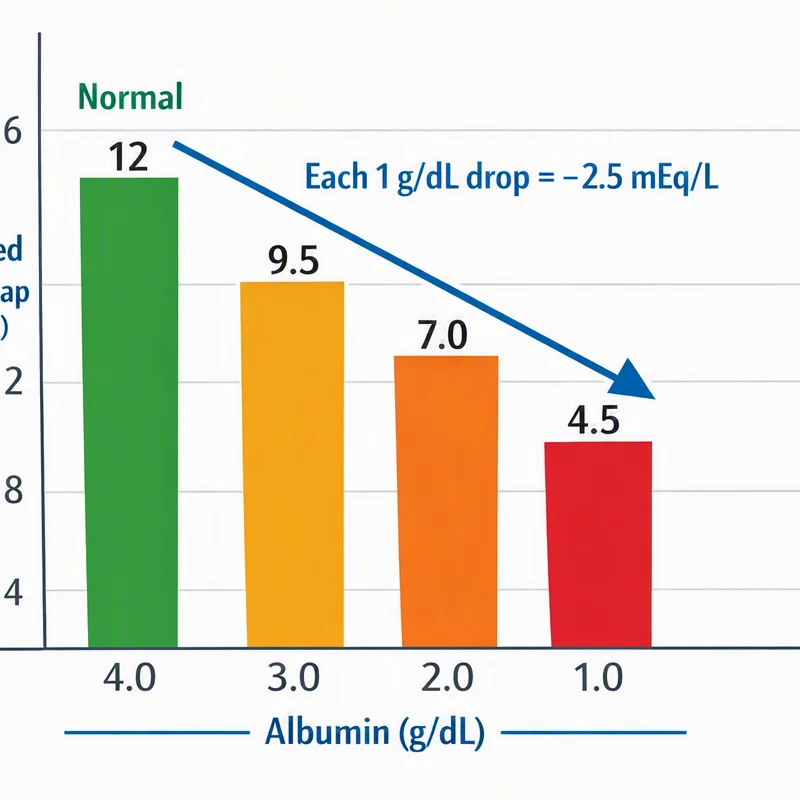
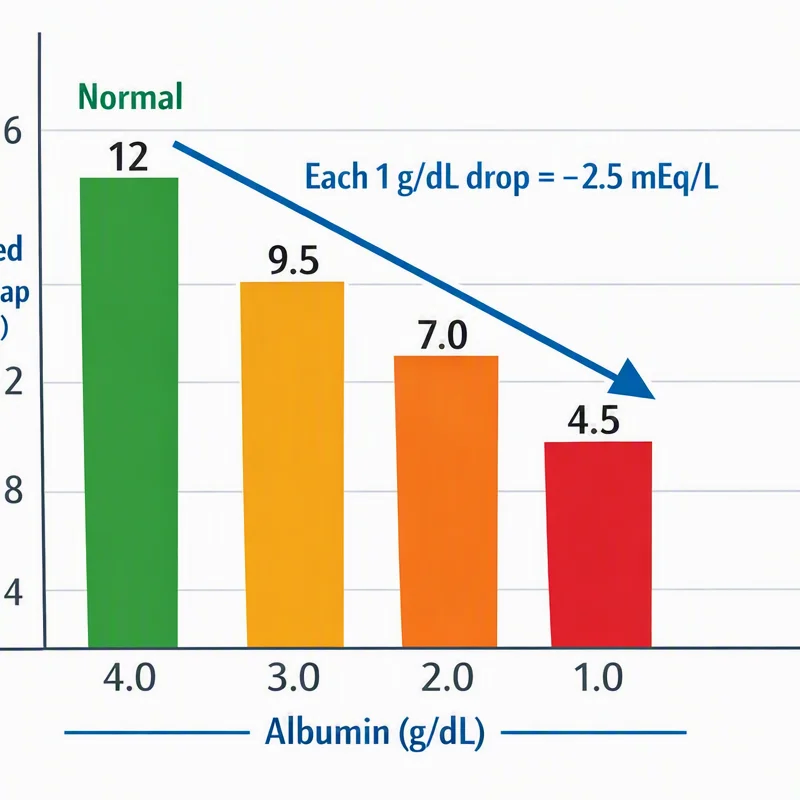
Albumin also matters because it is one of the major unmeasured negatively charged proteins in blood. Low albumin can make the anion gap appear less elevated than expected, which can mask a true acid-base problem. This is why experienced clinicians often consider albumin when reviewing a lab result and deciding whether the anion gap is truly elevated.
Impaired kidney function changes the handling of electrolytes and acids at the same time. As a result, the pattern on a blood test can indicate both the kidney disease itself and the body’s response to it. That is why the interpretation of a high anion gap depends on the overall medical evaluation rather than a single cutoff.
Further sources of a elevated anion gap
Renal disease is a frequent cause, but it is by no means the only cause of a elevated anion gap. Clinicians also look for lactic acidosis, ketoacidosis, and toxins because these can produce the same laboratory pattern. Identifying the source matters because treatment is based on the actual problem.
Lactic acidosis occurs when lactate builds up faster than the body can clear it. This may occur with poor oxygen delivery, severe illness, some medications, or tissue injury. A high lactate level can elevate the anion gap and decrease bicarbonate.
Ketoacidosis develops when ketones build up, usually from diabetes, prolonged fasting, heavy alcohol use, or other metabolic stress. When ketones accumulate, they contribute to high anion gap metabolic acidosis and can cause dehydration, nausea, and rapid breathing.
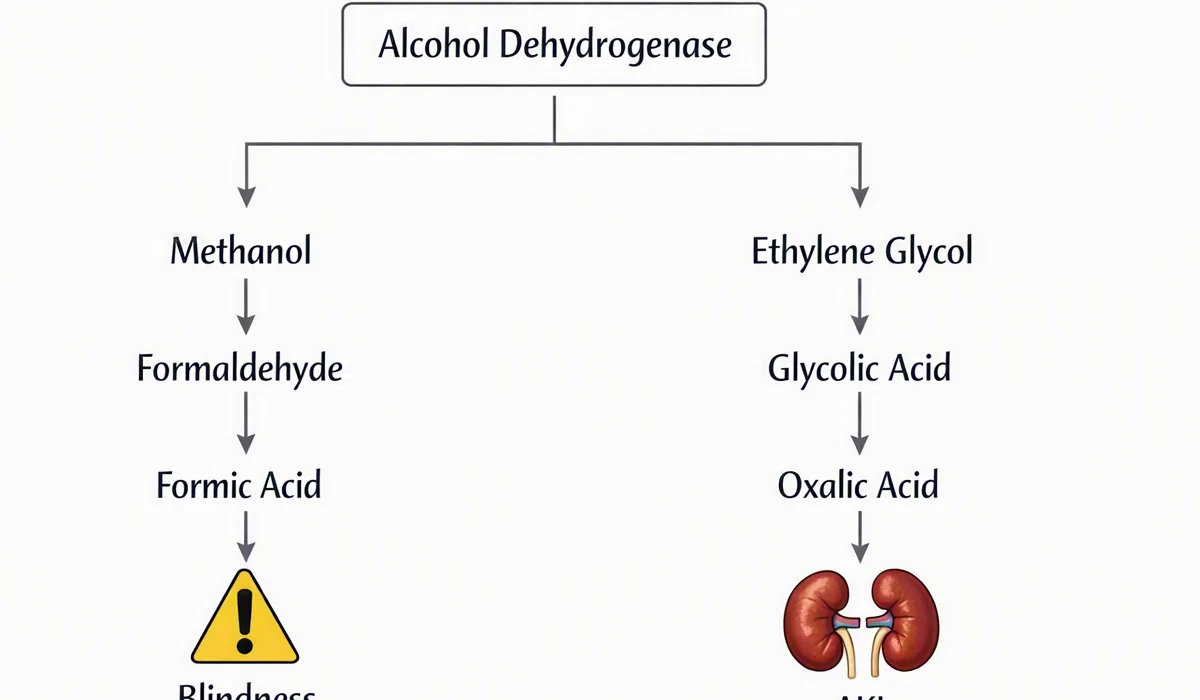
Toxic ingestion is another key cause. Some poisons and medications can trigger a dangerous acid-base disorder. Ethylene glycol, for example, is a classic toxin associated with high anion gap metabolic acidosis and can also harm the kidneys. Other toxic exposures can cause similar patterns, so exposure history is a vital part of cause identification.
Low bicarbonate, high anion gap, and kidney symptoms
Low bicarbonate with a high anion gap often suggests that the body is depleting its buffering reserve to counteract excess acid. When this happens alongside high creatinine or a reduced glomerular filtration rate, kidney disease becomes a greater possibility. This pattern can be seen in both chronic kidney disease and acute kidney injury.
At the start, symptoms can be hard to notice. People may notice tiredness, weakness, poor appetite, nausea, or a general sense of feeling unwell. As the disorder worsens, symptoms may reflect worsening kidney function and acid-base imbalance. Clinical symptom assessment is important because the severity of the lab abnormality does not always match how the person feels.
Other kidney-related clues can include swelling, reduced urine output, confusion, or worsening blood pressure control. However, none of these symptoms are specific. That is why a medical evaluation typically includes creatinine, bicarbonate level, and other tests that help determine whether the kidneys are contributing to the lab abnormality.
When a high anion gap is an emergency
A high anion gap can become urgent when it reflects severe acidosis. This can impact breathing, circulation, and brain function. If someone has a high anion gap along with shortness of breath, confusion, pronounced lethargy, chest discomfort, or signs of serious illness, they may need prompt urgent care.
Emergency evaluation is especially important if the person may have toxic ingestion, diabetic ketoacidosis, severe sepsis, or rapidly worsening kidney failure. These conditions can progress quickly and may require hospitalization, IV fluids, insulin, antidotes, or dialysis depending on the cause.
Because symptoms and lab changes can worsen quickly, it is not safe to ignore a major abnormality just because kidney disease is already known. A changing anion gap, falling bicarbonate, or worsening mental status should warrant urgent evaluation.
How doctors evaluate a high anion gap
Doctors use a systematic diagnostic workup to determine why the anion gap is high. The initial step is usually confirming the blood chemistry pattern and reviewing the basic metabolic panel. They often check sodium, chloride, and serum bicarbonate again to ensure the result is real and not due to a testing issue.
An arterial blood gas may be ordered to evaluate the degree of acidosis and to understand how the lungs are compensating. This helps clarify whether the problem is primarily metabolic and how severe it is. The test is especially useful when symptoms suggest important illness.
Additional tests often include lactate and ketones. These help distinguish lactic acidosis from ketoacidosis and other forms of high anion gap metabolic acidosis. If kidney disease is suspected, creatinine and glomerular filtration rate are important for assessing kidney function and renal impairment.
Urinalysis can provide more clues, such as glucose, ketones, protein, or signs of kidney injury. Depending on the scenario, clinicians may also review medications, toxins, and other exposure history. That broader evaluation is often necessary because the same lab pattern can have several different causes.
In short, the anion gap is a useful clue, not the final answer. It helps guide cause identification, but the final interpretation depends on symptoms, kidney function, and the rest of the medical evaluation.
FAQ about kidney disease and anion gap
Can kidney disease cause a high anion gap?
Certainly. Kidney disease can cause a high anion gap, especially when reduced kidney function leads to acid retention and uremia. This is more likely in chronic kidney disease, acute kidney injury, and renal failure. The pattern often appears with low serum bicarbonate and other signs of metabolic acidosis.
What does a high anion gap mean on a blood test?
A high anion gap on a blood test usually means there are extra acids or unmeasured anions in the blood. It does not identify the cause by itself. Common possibilities include lactic acidosis, ketoacidosis, kidney disease, and toxic ingestion, so the result needs clinical context and further interpretation.
Is a high anion gap always be a sign of kidney failure?
No, not necessarily. A high anion gap is not always a sign of kidney failure. It can happen with lactic acidosis, ketoacidosis, toxins, and other medical problems. Kidney failure is an important possibility, but doctors consider creatinine, glomerular filtration rate, symptoms, and additional blood chemistry results before concluding that. In practice, the cause depends on the full clinical picture.
Which other problems can raise the anion gap besides kidney disease?
Other common causes include lactic acidosis, ketoacidosis, and toxic ingestion such as ethylene glycol exposure. Certain medications and serious illnesses can also result in high anion gap metabolic acidosis. Careful testing is required because management depends on the underlying cause. Doctors may also consider sepsis, starvation, and kidney injury when evaluating the result.
When should someone with a high anion gap seek urgent medical care?
Urgent medical care is needed if the high anion gap comes with severe acidosis symptoms such as shortness of breath, confusion, severe weakness, or reduced alertness. It is also important to seek medical attention if toxic ingestion, diabetic ketoacidosis, or rapidly worsening kidney disease is possible. These situations may be dangerous and need prompt evaluation. If symptoms come on suddenly or are severe, emergency care is the safest choice.